Volunteer at Sukamade: Join Turtle Conservation
Discover how to volunteer at Sukamade Beach. Join night patrols, hatchling releases & nest relocation. Book your conservation trip for 2026 today!
Sea Turtle Tours
Local Sukamade Travel Consultant & Conservation Partner
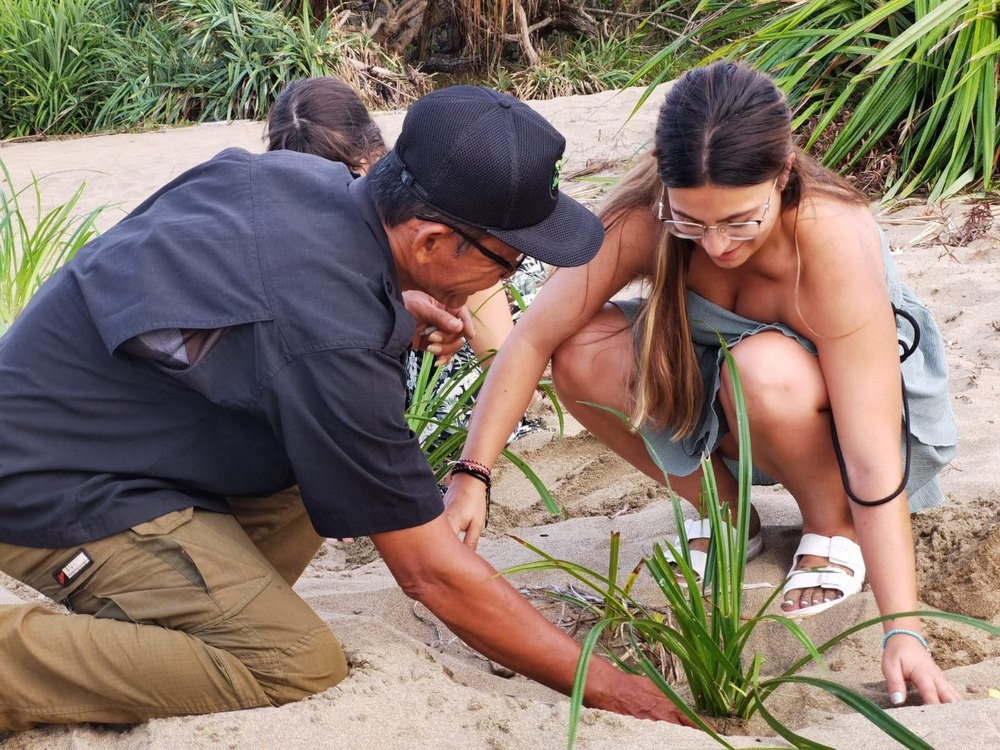
Planning to Volunteer at Sukamade offers a rare chance to participate directly in one of Indonesia's most critical sea turtle conservation efforts. Located on the southern coast of Java inside Meru Betiri National Park, Sukamade Beach is a primary nesting ground for Green Turtles (Chelonia mydas), Olive Ridley Turtles (Lepidochelys olivacea), and occasionally Leatherback Turtles (Dermochelys coriacea) and Hawksbill Turtles (Eretmochelys imbricata). As your Local Sukamade Travel Consultant & Conservation Partner, Sea Turtle Tours bridges the gap between travelers seeking purpose and the rangers protecting these ancient mariners.
Tip
[!TIP] Best Time to Volunteer: Turtles nest year-round, but the peak season runs from November to March (wet season). Expect higher nesting frequency (often 10-20+ turtles/night) but prepare for heavy rain and rougher seas.
Why Choose Sukamade for Turtle Conservation Volunteering?
Sukamade is not a commercial hatchery; it is a wild, semi-remote beach managed by the National Park authority (Balai Taman Nasional Meru Betiri). Volunteering here means contributing to in-situ conservation—protecting eggs where they are laid or relocating them to guarded hatcheries to prevent poaching and predation by wild boars or monitor lizards.
Unique Ecological Significance
Meru Betiri is the last remaining habitat for the Javan Tiger (though functionally extinct, the ecosystem remains intact) and a stronghold for Java's biodiversity. The beach itself stretches roughly 3 km, monitored by dedicated ranger posts. Your presence as a volunteer provides:
- Manpower for nightly patrols covering vast distances.
- Funding via tour fees directly supporting ranger operations and hatchery maintenance.
- Deterrence against egg poachers through human presence.
What Does a Volunteer Actually Do? (Daily Activities)
Unlike scripted zoo experiences, the schedule follows the turtles' rhythm, dictated by tides and lunar cycles. A typical 2-Day/1-Night or 3-Day/2-Night program involves:
Night Patrol & Nest Monitoring (Core Activity)
- Timing: Usually 19:30 – 02:00 (depending on high tide).
- Task: Walk the beach with rangers using red-light torches only (white light disorients turtles).
- Action: Identify nesting tracks, wait for the "trance state" during egg-laying, measure carapace length/width, check/tags flippers, and count eggs.
- Relocation: If the nest is below the high-tide line or in an erosion zone, carefully move eggs to the hatchery (semi-natural hatchery).
Warning
[!IMPORTANT] Strict Conservation Protocols: No white lights, no camera flashes, no touching the turtle's head, no riding/sitting on turtles. Violations result in immediate removal from the beach. Rangers enforce this to protect the nesting instinct.
Hatchery Management & Data Logging
- Morning Shift: Check hatchery temperature, moisture, and fence integrity.
- Data Entry: Assist rangers recording species, date, time, location (GPS), egg count, and tag numbers. This data feeds into national conservation databases.
Hatchling Release (The Reward)
- Timing: Early morning (05:00 – 06:00) or late afternoon to avoid predators and heat stress.
- Process: Excavate emerged nests, count hatched/unhatched eggs (success rate data), and guide hatchlings to the sea.
- Biological Fact: Only 1 in 1,000 to 10,000 hatchlings survives to adulthood. Every release counts.
Beach Clean-up & Habitat Restoration
Volunteers often join morning clean-ups removing plastic debris (ghost nets, bottles) that obstruct nesting females or trap hatchlings. This supports the broader Meru Betiri ecosystem health.
Program Options & Itinerary Overview
We offer structured packages handling the complex logistics (4WD transport, permits, ranger coordination, meals, rustic lodging).
| Program Duration | Focus | Ideal For | Key Inclusions |
|---|---|---|---|
| 2 Days / 1 Night | Intensive Patrol & Release | Weekend travelers, tight schedule | 1 Night Patrol, 1 Morning Release, 4WD Transfer, Homestay, Meals |
| 3 Days / 2 Nights | Deep Immersion & Tracking | Conservation students, photographers | 2 Night Patrols, 2 Releases, Jungle Tracking Sukamade, Green Bay Visit, Data Workshop |
| Custom / Long-term | Research Assistance | Universities, Gap Year, Researchers | Extended stay, specific data projects, ranger shadowing, custom logistics |
Tip
[!TIP] Logistics Reality Check: Access requires a modified 4WD vehicle crossing rivers and rough jungle tracks (approx. 3-4 hours from Banyuwangi/Ketapang). Standard cars cannot make this journey. All our Sukamade Tour Package options include this specialized transport.
Essential Preparation & Packing List (Expert Advice)
Operating in a tropical rainforest coastal zone demands specific gear. Failure to prepare impacts your safety and the turtles.
Mandatory Gear
- Headlamp with Red Light Mode: Non-negotiable. White light is banned on the beach. Buy a quality headlamp (Petzl, Black Diamond) with a dedicated red LED.
- Quick-Dry Long Pants & Long Sleeves: Protection against sandflies (nyamuk pasir), mosquitoes, and jagged rocks/roots during jungle treks.
- High-Traction Water Shoes / Trekking Sandals: Rivers crossings are slippery; flip-flops are dangerous.
- Dry Bags / Ziplocks: Humidity destroys electronics. Double-bag phones, cameras, power banks.
- Reef-Safe Sunscreen & Insect Repellent (DEET or Picaridin): Apply before boarding the 4WD.
Health & Fitness
- Fitness Level: Moderate. Night patrols involve walking 5-10 km on soft sand. Jungle tracking involves steep, muddy slopes.
- Medical: Bring personal meds. Nearest clinic is Sarongan (~1.5 hrs drive). Travel insurance covering medical evacuation is strongly advised.
Conservation Impact: Where Your Money Goes
Transparency is core to our operation. A significant portion of the Sukamade Tour Package fee covers:
- Ranger Honorariums: Supplementing government salaries for night shifts.
- Hatchery Maintenance: Sand replacement, fencing, shade cloth, temperature loggers.
- Patrol Equipment: Red torches, GPS units, raincoats, boots, walkie-talkies.
- Community Outreach: Education programs in nearby villages (Sarongan, Jajag) reducing poaching demand.
Since 2010, community-ranger patrols supported by ecotourism have reduced egg poaching rates from near 100% to under 10% in monitored sectors.
Beyond the Beach: Exploring Meru Betiri
A volunteer trip isn't just the beach. The park offers incredible biodiversity:
- Green Bay Beach Camp: Pristine bay, calm waters for swimming/snorkeling, coral reefs, basic camping. Often combined with 3D2N trips.
- Jungle Tracking Sukamade: Trek to Air Terjun Sukamade (Waterfall), explore lowland tropical rainforest flora (Rafflesia potential, though rare), spot Javan Langurs, Hornbills, Wild Boar.
- Rafflesia Conservation Plot: Visit the monitoring site for the world's largest flower (blooming unpredictable).
How to Book Your Volunteer Trip (2026 Season)
Due to limited homestay capacity and park permit quotas, weekends and peak season (Dec-Feb) fill months in advance.
- Check Availability: Contact us via Booking WhatsApp with your preferred dates.
- Confirm Group Size: Min 2 pax usually required for 4WD cost efficiency; solo travelers can join open groups (ask schedule).
- Receive Proposal: We send detailed itinerary, packing list, and payment terms.
- Secure Permit: We handle SIMAKSI (Conservation Area Entry Permit) processing using your passport/KTP details.
- Pre-Trip Briefing: We provide tide charts, weather outlook, and protocol reminders 3 days prior.
Tip
[!TIP] Pro Tip for 2026: Book mid-week (Tue-Thu) for quieter beaches, better ranger-to-volunteer ratios, and potentially lower 4WD charter costs.
Frequently Asked Questions (FAQ)
1. Do I need prior biology or conservation experience?
No. Enthusiasm and physical fitness are the main requirements. Rangers provide full on-site training for patrol protocols, egg handling, and data recording.
2. Can I touch the turtles or eggs?
Only under direct ranger supervision. You may assist in counting eggs as they drop into the nest chamber or carrying the bucket to the hatchery. You never touch the nesting female or dig up a nest alone.
3. What are the accommodation conditions?
Basic homestays near the ranger post (Sukamade Guest House or similar). Expect: Mattress on floor, mosquito net, shared western toilet, mandi (bucket shower), limited electricity (generator 18:00-22:00), no WiFi. It is an off-grid experience.
4. Is it safe? (Animals / Crime / Nature)
- Animals: Wild boars, snakes, monitor lizards exist. Always walk with rangers; never wander alone at night.
- Crime: Extremely low in the park area.
- Nature: River crossings can be dangerous after heavy rain. Our drivers are experts; trust their judgment on crossing/timing.
5. Can I bring children?
Minimum age 10-12 recommended due to late nights (patrols end ~midnight/1am), long 4WD journeys, basic sanitation, and strict silence rules on the beach. Private family tours offer more flexibility.
6. What camera gear is allowed?
No Flash Photography. Ever. High ISO capability (ISO 3200-6400+) and fast lenses (f/1.8 - f/2.8) are needed for low-light shots. Red light focusing aids help. GoPros with IR filters work for video.
7. How does this differ from Bali turtle releases?
Bali releases are often tourist-driven hatchery tourism (sometimes problematic head-starting). Sukamade is wild nesting beach conservation managed by the National Park. You protect wild nests in situ or relocate to a semi-natural hatchery on the same beach.
Ready to Make an Impact?
Joining the Volunteer at Sukamade program is more than a tour; it is a direct contribution to the survival of keystone marine species in the heart of Meru Betiri National Park. You gain field skills, witness one of nature's most ancient rituals, and support the local economy protecting this wilderness.
Spaces for the 2026 peak season are limited. Connect with our team now to secure your dates and permits.
👉 Chat with Sea Turtle Tours on WhatsApp to Check Availability & Book
Read more conservation stories and travel guides on our Blog.
Written by Sea Turtle Tours
Local Sukamade Travel Consultant & Conservation Partner
Related Articles
Best Eco Tourism Indonesia: Why Sukamade Leads
Discover why Sukamade sets the standard for eco tourism Indonesia. Witness sea turtle conservation firsthand. Book your ethical adventure with local experts.

Sukamade Packing List: Essentials for Turtle Tour
Discover the ultimate Sukamade packing list for your turtle tour. Pack smart for Meru Betiri jungle & beach. Get expert tips & book now!

10 Best Places to See Sea Turtles in Indonesia
10 Best Places to See Sea Turtles in Indonesia ✓ Sukamade night patrols ✓ turtle release ✓ 4WD jungle jeep ✓ Meru Betiri rangers. Book your 2026 eco tour!