Eco Tourism
Volunteer at Sukamade: Join the Turtle Conservation Program
Volunteer at Sukamade ✓ night beach patrols ✓ nest protection ✓ baby turtle release ✓ ranger-led eco work. Join our turtle conservation program today!
S
Sea Turtle Tours
Local Sukamade Travel Consultant & Conservation Partner
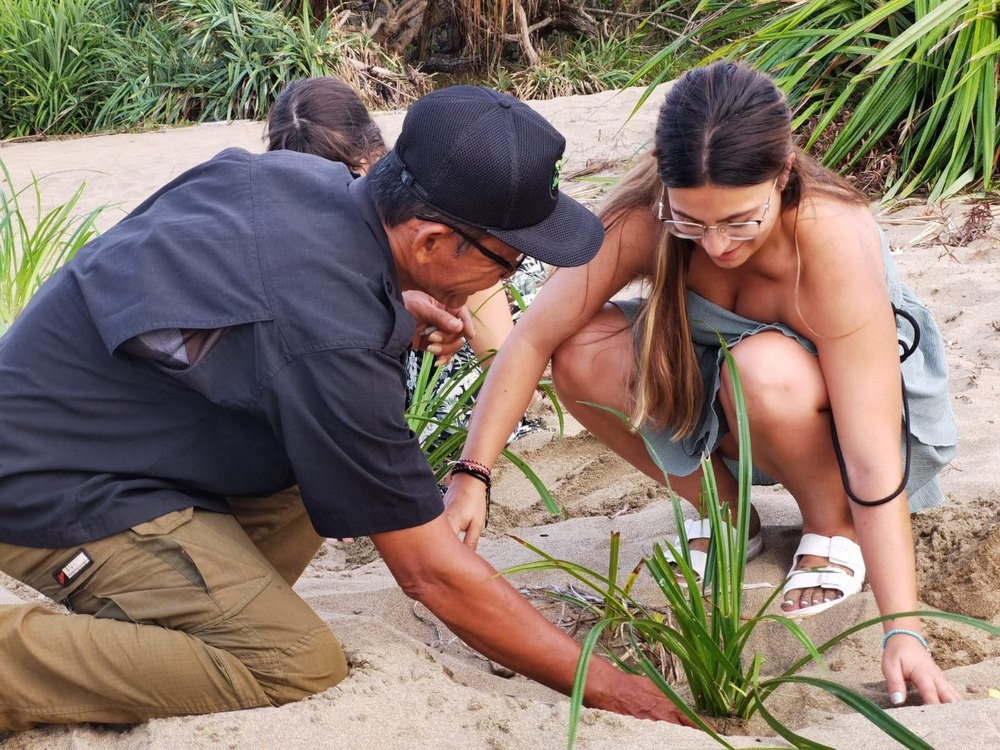
Volunteer at Sukamade and step into one of Southeast Asia's most rewarding sea turtle conservation programs. Hidden deep inside Meru Betiri National Park on the south coast of Banyuwangi, East Java, Sukamade Beach receives hundreds of nesting green turtles every single year — and every nest needs protection. As a local Sukamade travel consultant and conservation partner, I have helped dozens of international volunteers join this mission. This guide covers everything you need to know: nightly patrols, hatchery duties, real costs, packing lists, and how to secure your place.
Unlike ordinary wildlife tourism, volunteering here puts you directly beside park rangers, researchers, and local communities who have guarded these shores for decades. You will not just watch sea turtles — you will actively help their next generation survive.
Why the Sukamade Turtle Conservation Program Matters
Sukamade Beach is widely regarded as one of the most important sea turtle nesting sites on Java. Four species are recorded landing on its dark volcanic sand: the green turtle (Chelonia mydas), olive ridley, hawksbill, and occasionally the giant leatherback. A single female green turtle lays 100 to 150 eggs per clutch and can deposit several clutches in one season before returning to the open ocean.
Before formal protection began in the late 1970s, nearly every egg on this beach was collected and sold. When the area was incorporated into Meru Betiri National Park in 1982, rangers and the surrounding village built a different future: guarded nesting, fenced hatcheries, and controlled releases. Today, thousands of hatchlings reach the sea each year because of this system — and volunteers are a vital part of keeping it running.
What Does a Sukamade Volunteer Actually Do?
Volunteering at Sukamade is hands-on, structured, and always supervised by licensed park rangers. Your tasks rotate between three core areas.
Night Beach Patrols with Park Rangers
Every night, small teams walk the shoreline between roughly 8 PM and midnight, scanning for emerging females. When a turtle comes ashore, you help rangers record her carapace measurements, check for identification tags, count eggs, and sometimes relocate a risky nest to the protected hatchery. Patrols involve walking 3 to 6 kilometres on soft sand in total darkness — challenging, but unforgettable when a 120-kilogram mother turtle digs her nest just metres away from you.
[!IMPORTANT] Never use white light, phone screens, or camera flashes near turtles. Bright light makes nesting females abandon the beach and fatally disorients hatchlings. Only red-filtered torches are permitted, and all photos must be taken without flash under direct ranger supervision.
Morning Hatchery Checks and Hatchling Releases
Each morning, volunteers inspect the fenced hatchery, record nest temperatures, count hatched shells, and excavate completed nests to measure hatching success. When hatchlings emerge, rangers schedule releases at dusk or dawn — the coolest hours — so the tiny turtles can sprint to the surf before predators and heat become deadly. Releasing dozens of palm-sized hatchlings into the Indian Ocean is the moment most volunteers describe as life-changing.
Data Collection and Beach Clean-Ups
Accurate records make conservation possible. You will log nesting dates, egg quantities, and hatchling survival into the program database, remove plastic waste that blocks nesting sites, and occasionally join community activities with Sukamade village, whose residents serve as rangers, boat crews, and cooks.
A Typical Day in the Life of a Sukamade Volunteer
No two days are identical, but a standard rhythm looks like this:
| Time | Activity |
|---|---|
| 06:30 – 07:30 | Breakfast at the lodge; morning briefing with rangers |
| 08:00 – 10:00 | Hatchery inspection, nest data recording, beach clean-up |
| 10:00 – 12:00 | Free time, river swim, or rest during peak heat |
| 12:00 – 13:00 | Lunch at the ranger canteen |
| 13:00 – 16:00 | Village activity, hatchery maintenance, or free exploration |
| 16:30 – 18:30 | Sunset watch at the river mouth; early dinner |
| 20:00 – 00:00 | Night beach patrol in rotating teams |
Between patrols, electricity runs on limited generator hours, so volunteers quickly adopt the calm, screen-free rhythm of the rainforest.
Accommodation and Facilities at Sukamade
Rooms, Meals and Electricity at the Lodge
Expect simple, clean conditions rather than resort comfort. Volunteers sleep in basic rooms near the ranger station with shared bathrooms, cold-water showers, and mosquito-netted beds. Three hearty Indonesian meals per day are prepared by village staff, and vegetarian requests can usually be accommodated with advance notice.
There is no reliable Wi-Fi, and mobile signal appears only in a few scattered spots. Treat the isolation as a feature: most volunteers say switching off completely was half the magic. Charging sockets are available during generator hours, so bring a power bank.
Volunteer Costs and Package Options
Costs depend on duration and group size. The figures below are realistic estimates for 2026; message us for exact seasonal pricing.
| Duration | Estimated Price (per person) | Includes |
|---|---|---|
| 3 Days / 2 Nights | IDR 1,750,000 – 2,500,000 | 4WD transfers, park permits, lodge, meals, ranger-guided patrols |
| 5 Days / 4 Nights | IDR 2,900,000 – 4,200,000 | Everything above plus extra patrol shifts and village activities |
| 7 Days / 6 Nights | IDR 4,500,000 – 6,500,000 | Full immersion, research assistance, certificate of participation |
All packages include the official Meru Betiri National Park entrance fee, a licensed ranger escort, accommodation, and three meals daily. Transport from Banyuwangi or Kalibaru uses rugged 4WD jeeps, because the final 25 kilometres cross rivers and plantation tracks.
Best Season to Volunteer at Sukamade
Good news: turtles nest at Sukamade year-round, so the program never truly closes. Still, timing shapes your experience:
- April to September (dry season): easiest road access, calmer seas, and the highest nesting activity. This is the most popular window, so book early.
- October to March (rainy season): fewer visitors and lush green scenery, but heavy rain can delay jeep crossings and make patrols muddier.
Whichever month you choose, sightings are never guaranteed — wild animals set their own schedules. Rangers report successful encounters on the majority of nights, especially during peak months.
[!TIP] Want quieter patrols? Plan your trip outside Indonesian public holidays and school breaks. Domestic visitor numbers drop sharply, giving you more time beside each nesting turtle.
How to Book Your Volunteer Placement
Reserving your spot is straightforward, and our team handles the logistics end to end:
- Contact us with your preferred dates and group size via WhatsApp booking.
- Choose a package — compare options on our Sukamade Tour Package page, or request a custom volunteer itinerary.
- Confirm and prepare — we send a packing list, meeting point details, and simple health recommendations.
- Travel to Banyuwangi or Kalibaru, where your 4WD adventure into the national park begins.
Places are limited each week to keep patrols small and sustainable, so confirming at least 2–4 weeks ahead is strongly recommended.
Complete Packing List for Turtle Volunteers
Pack light, pack dark, and pack practical:
- Red-filter headlamp or torch (essential — white light is banned on the beach)
- Dark, long-sleeved clothing for humid nights
- Sturdy sandals or closed shoes for soft sand and river crossings
- Rain jacket and quick-dry clothes
- Insect repellent and personal medication
- Power bank, refillable water bottle, and cash (there are no ATMs nearby)
[!TIP] Bring a dry bag for electronics. River crossings on the jeep route can splash, and humidity stays high year-round. A notebook and pencil also beat phones for recording patrol data after dark.
Conservation Rules Every Volunteer Must Follow
These rules protect the turtles first, and they are non-negotiable:
- No flash photography and no white lights on the beach at any time.
- Never touch, ride, or flip a turtle, and do not handle eggs unless a ranger instructs you.
- Stay behind and slightly to the side of a nesting female; keep voices low.
- Follow the ranger's instructions instantly — they decide when to approach and when to wait.
- Carry out everything you carry in; the beach stays pristine.
Volunteers who respect these guidelines consistently report deeper, calmer encounters than regular tourists ever experience.
Extend Your Trip: More Eco Adventures Around Meru Betiri
Many volunteers add extra nights to explore the wider national park region.
Green Bay Beach Camp
After days of night patrols, unwind at the turquoise cove of Teluk Hijau. Our Green Bay Beach Camp combines beach camping, mangrove boat trips, and sunrise swims in one of East Java's most photogenic bays.
Jungle Tracking Sukamade
Prefer daylight adventure? The Jungle Tracking Sukamade route follows plantation paths and rainforest trails where you may spot blooming Rafflesia zollingeriana, hornbills, and fresh tracks of the park's elusive leopards.
You can find more field notes and seasonal updates on our conservation blog.
Frequently Asked Questions About Volunteering at Sukamade
Do I need previous conservation experience? No. Rangers train every volunteer on arrival, and all tasks are supervised. Enthusiasm and reasonable fitness matter far more than a CV.
How fit do I need to be? You should manage 3–6 km of walking on soft sand at night and tolerate tropical heat and humidity. Patrols move slowly, with breaks whenever a turtle appears.
Is it safe? Yes. You are accompanied by experienced park rangers at all times, the camp area is secured, and the biggest hazards are sunburn and sore legs rather than wildlife.
Will I definitely see a turtle? Most nights during peak season produce at least one nesting female, but nature offers no guarantees. Volunteers who stay three nights or longer dramatically increase their chances.
Can children join the program? Families with children aged roughly 10 and above can join with close supervision. Younger kids often enjoy the daytime hatchery visits more than late-night patrols.
Is there phone signal or Wi-Fi? Signal is patchy and there is no Wi-Fi at the lodge. Inform your family before entering the park and embrace the digital detox.
How do I reserve my place? Message our team directly on WhatsApp with your dates. We confirm availability, send payment details, and arrange your 4WD pickup point.
Final Thoughts: Your Role in Protecting Java's Sea Turtles
Choosing to volunteer at Sukamade means trading comfort for purpose. You will fall asleep to crashing waves, wake to hornbill calls, and stand guard while a species older than the dinosaurs fights for its future. As a local consultant and conservation partner, I can promise one thing: almost nobody leaves this beach unchanged.
Ready to join the next patrol team? Check availability through our Sukamade Tour Package page or message us on WhatsApp — the turtles of Meru Betiri are waiting for you.
S
Written by Sea Turtle Tours
Local Sukamade Travel Consultant & Conservation Partner